Paddle Guide
Why golden hour is the best time to paddle
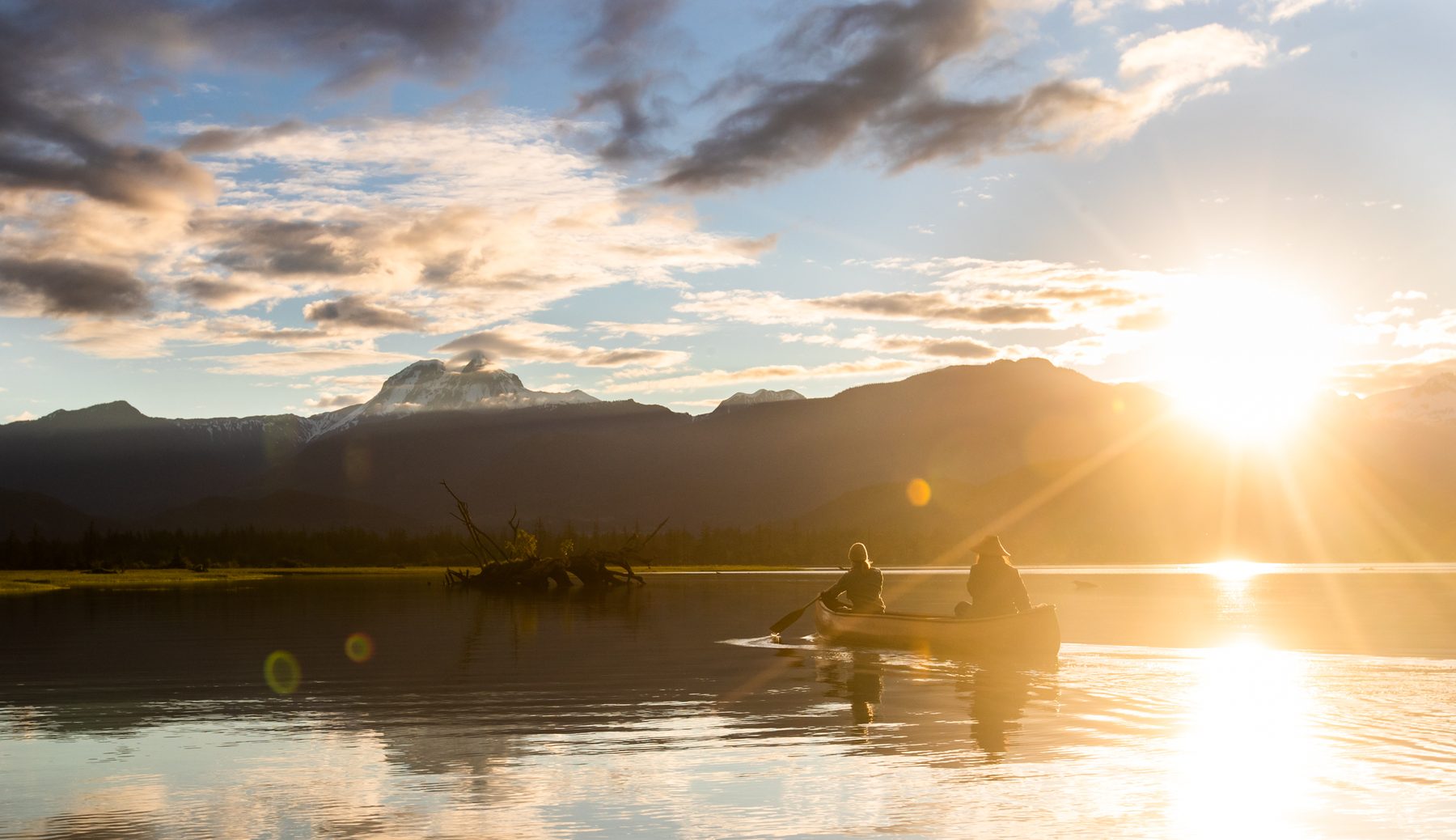
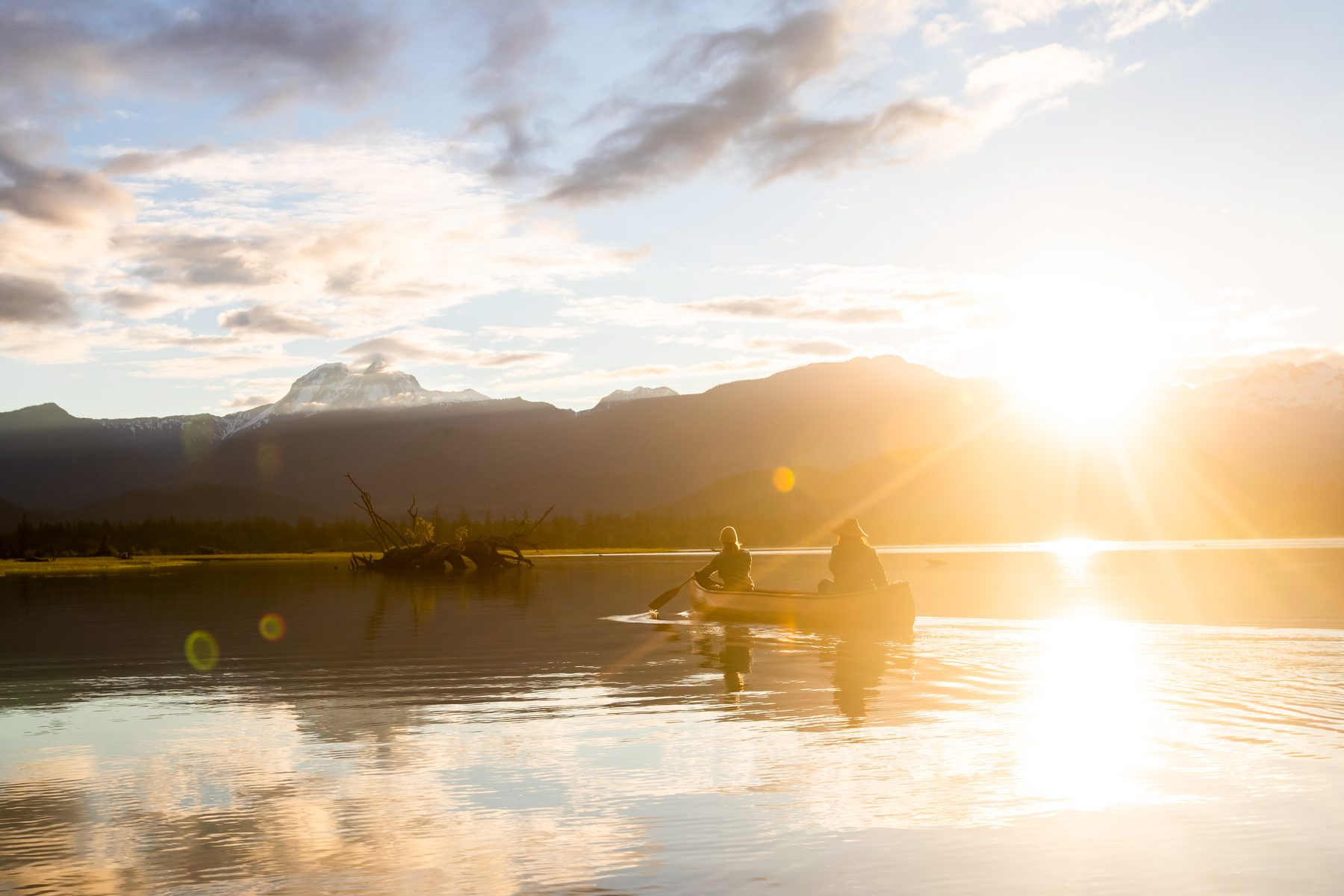
Around Squamish, the afternoon wind can ruffle the water and fill the valley with noise. But in the first hour after sunrise and the last hour before sunset, it's often as if someone has switched everything off. The water goes glassy, the peaks catch the light and the only sound is the drip of your paddle. It's the best reason we know to get out of bed early, or to push dinner back an hour.
Where to go
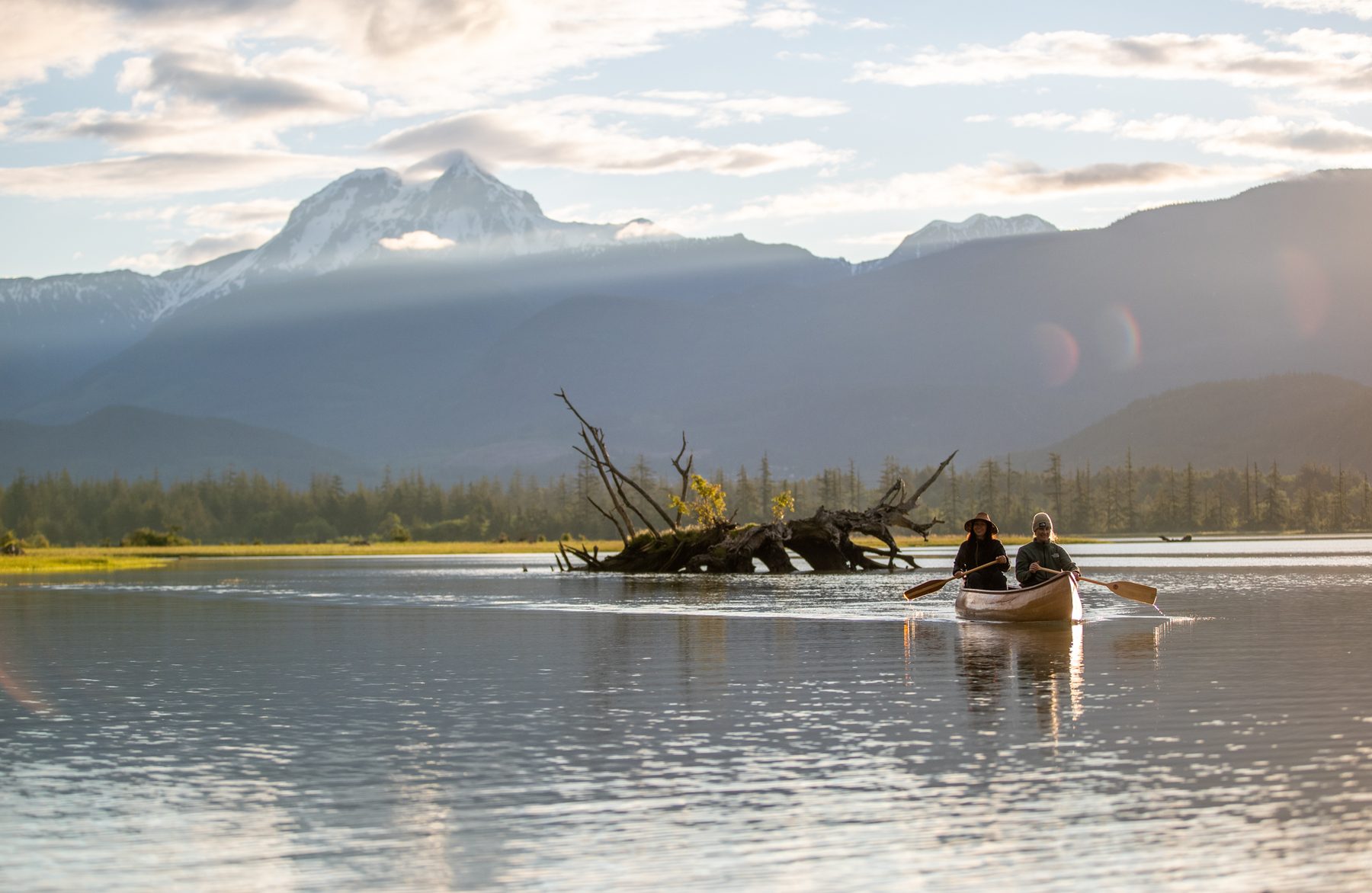
- The Squamish Estuary: wide open views of the Tantalus Range, the Stawamus Chief and the Sound. It's the classic spot for a sunrise or sunset canoe, but it's tidal, so plan around it (see below).
- The Mamquam Blind Channel: sheltered water close to downtown, handy if the wind is up elsewhere.
- Local lakes: Alice, Cat, Brohm and Browning lakes all have quiet mornings. See our guide to the best lakes to paddle near Squamish.
- Whistler: Alta Lake and the River of Golden Dreams are lovely at either end of the day.
Tides, wind and boat traffic
Golden-hour paddling is gentle, but a few details are worth knowing before you go:
- Tides: the estuary and nearby channels rise and fall with the tide. At low tide, shallow sand and mud can block parts of the route, and currents can be stronger in narrow channels. Check a tide table and ask us for a recommended window.
- Wind: afternoon winds are common. If the breeze is already building when you launch, it will be stronger when you want to come back. Consider paddling upwind first.
- Boats: a canoe is low and hard to see on the water, especially in low light. Stay near shore and away from larger vessel traffic.
- Daylight: plan to be off the water before it's properly dark. Dusk arrives quickly once the sun drops behind the mountains.
What to bring
- A warm layer, even in summer. It's chilly on the water at dawn and as the sun sets.
- A headlamp or small light so you can find your way back to your car.
- A dry bag for phones, keys and cameras.
- A thermos of something warm, and a snack.
- Sunglasses: the low sun reflects straight off the water.
Every canoe rental includes paddles, PFDs, a bailer and a safety whistle. Wear your life jacket for the whole trip, especially in cooler months when cold-water shock is a real risk. Our fall paddling guide covers cold-water safety in more detail.
Tips for better photos
If you'd like to bring a camera, read how to photograph your paddle. In short: keep your gear in a dry bag until you need it, shoot in the 30 minutes either side of sunrise or sunset, and let the sun sit just behind the mountains for a soft glow.
Questions
What time of day is calmest for paddling near Squamish?
Early morning and the last hour before sunset are usually the calmest. Afternoon winds are common in the Sea to Sky, especially on bigger water, so plan your paddle around the quiet edges of the day.
Do I need to worry about tides on the Squamish Estuary?
Yes. The estuary is tidal, and channels can become shallow or flow faster depending on the tide. Check a tide table before you go and ask us for suggestions on the best window.
Can you deliver the canoe for a sunrise or sunset paddle?
We deliver canoes and paddleboards to launch spots around Squamish and Whistler. Tell us where you want to paddle and when, and we'll check availability and quote delivery.